
Feeling fine is not data.
Get the numbers.
For a lot of men the first sign of heart disease is the heart attack. We measure the things that actually predict the next thirty years — your arteries, your hormones, your metabolism, your strength — and we tell you plainly what to do about each one.
Longevity-focused concierge medicine · Franklin & Nashville · Evidence, not hype.
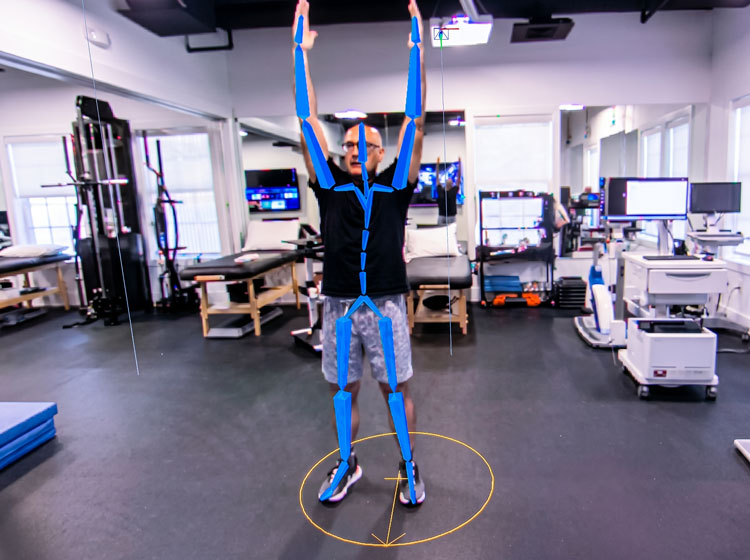
You do not need a symptom to need a number.
The eight numbers that matter most for men’s health
Included with every membership — once with Life Plan, and repeated each year on the annual plans. A standard physical checks a fraction of it.
ArteriesCoronary calcium, ApoB, Lp(a), hs-CRP
A CT calcium score shows plaque that has already hardened. The blood markers show what is driving it — and we tell you what a zero score does and does not rule out.
Blood pressureMeasured at home, over a week
One reading in a clinic is among the least reliable numbers in medicine. A week of home readings is what actually tracks with stroke and kidney damage — and it is the cheapest thing on this page to fix.
TestosteroneTotal, free, SHBG, estradiol
Measured in the morning, with the markers that make a single number mean something. See below for how we read it.
MetabolismFasting insulin, A1c and a glucose monitor
Insulin starts climbing years before blood sugar does, so we measure insulin itself rather than waiting for a high A1c. Then two weeks wearing a glucose monitor shows how your own meals actually affect you.
Body compositionDEXA — muscle and visceral fat
Where the fat sits matters more than what you weigh. Visceral fat is the dangerous kind, and a scale cannot see it.
FitnessVO₂ max on a CPET, heart power and pulmonary function
One test, on a treadmill with a mask, measuring how well your heart and lungs work together under load. Aerobic capacity is among the strongest predictors of how long you live, and one of the most improvable things on this list — so we measure it, train it, and measure it again.
SleepA real sleep study
Untreated apnea drives blood pressure, heart rhythm and mood — and weight makes it worse, which makes everything else worse. It is one of the most commonly missed diagnoses in men.
ScreeningArranged, booked, chased
Prostate, colon and skin. We book the screenings, chase the results, and fold them back into your plan instead of leaving them to vanish into a portal.
Testosterone testing and treatment, without the sales pitch
Testosterone is often prescribed off a single blood test and a questionnaire. We think it deserves a closer look than that.
A morning draw using the best available tests — total and free testosterone, with SHBG, LH, FSH, estradiol and ferritin alongside — so the number means something before anyone uses the word low.
Then we work on raising it naturally. Sleep, body composition, training, alcohol, stress, thyroid and some medications all affect testosterone, and most of them can be improved. Optimizing those often lifts your own production — and for a lot of men that is the whole answer.
Testosterone is a prescription medicine. If it turns out to be the right answer for you, a physician manages and monitors it, and you get the trade-offs up front — including what it means for fertility and your red blood cell count.
Evidence, not hype. If there is a better way to get you there, we will tell you.

What we focus on, and when
30sThe baseline
Measure it while it is good. Lp(a) is genetic and once in a lifetime. Build the muscle and aerobic base now — far cheaper than rebuilding it at fifty.
40sThe risk decade
Blood pressure, insulin and plaque all start moving quietly. This is when imaging the arteries changes decisions, and when sleep and hormones are worth a serious look.
50sAct on what you found
Prostate and colon screening coordinated. Cardiac risk treated properly rather than watched. Strength training stops being optional.
60s and beyondStay capable
Muscle, balance, aerobic capacity and brain, with hearing tested and a cognitive baseline taken while it is good. The target is being able to do what you want, not just more years.
You are not buying a program. You are hiring these doctors.
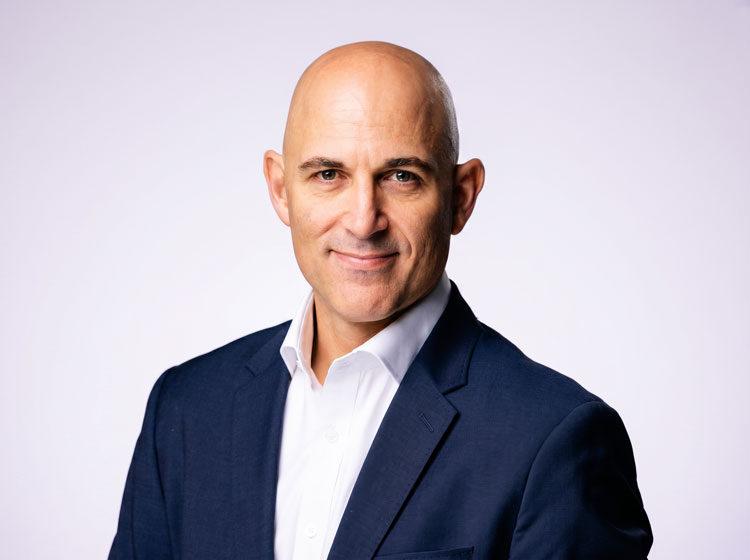
Founded by physicians from Vanderbilt and Harvard, with 200+ peer-reviewed publications between them. At Paradigm you see them — not a rotating cast and not a nurse line.



Twenty minutes, and you will know where you stand
A free call with our team.
Memberships start with a conversation.
This page is general health information, not medical advice, and reading it does not create a physician–patient relationship. A membership is not insurance and does not replace it. If this is an emergency, call 911.